Five Things to Know When Looking for a House
Finding a house is exciting — but rushing into the wrong one is one of the most expensive mistakes you can make. Whether you are renting your first bedsitter or buying a family home, these five fundamentals will save you money, stress, and regret.
1. Know Your True Budget — Not Just the Rent or Price
The headline price is almost never the full cost. Before you commit, work out the total monthly or upfront figure.
- For renters: rent + deposit (usually 1–2 months) + service charge + water + electricity + security + moving costs.
- For buyers: purchase price + legal fees (1–2%) + stamp duty (2–4%) + valuation + transfer + bank arrangement fees + immediate repairs.
- Rule of thumb: housing should not exceed 30–35% of your net monthly income.
A house you can barely afford today becomes a trap the moment your income dips, your family grows, or a major repair lands on your doorstep.
2. Location Is More Important Than the House Itself
You can renovate a kitchen. You cannot renovate a neighbourhood. Before falling in love with the finishes, evaluate:
- Commute: How long does it take to your office, school, or matatu stage during peak hours?
- Security: Talk to neighbours, the local chief, and the area police post. Walk the area at night.
- Amenities: Supermarkets, hospitals, schools, places of worship, and reliable water.
- Future development: A planned bypass or SGR station can either lift or destroy your property value.
- Drainage and flooding: Visit during the rains if at all possible.
3. Inspect Everything — Twice
A pretty paint job can hide a multitude of sins. On every viewing, check:
- Water: Turn on every tap. Check pressure and how long water actually flows during the day.
- Electricity: Test every socket and the main switchboard. Look for signs of overloading or DIY wiring.
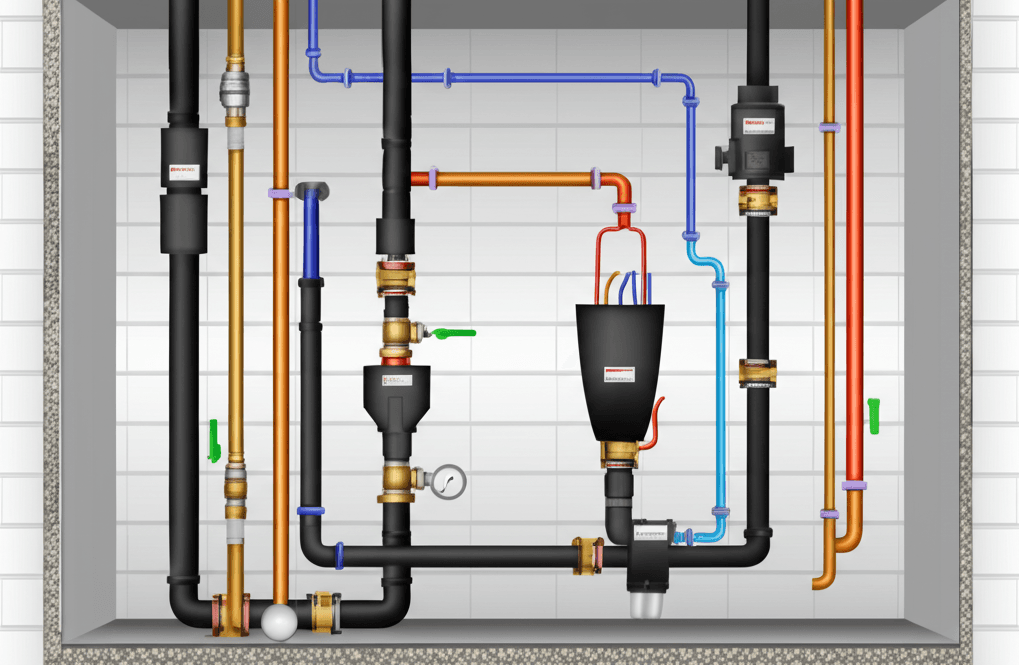
- Plumbing: Flush every toilet, check under sinks for leaks, smell for sewer issues.
- Walls and ceilings: Look for cracks, damp patches, peeling paint, and mould.
- Doors, windows and locks: They should open, close, and lock cleanly.
- Pest signs: Droppings, cockroach trails, holes in walls.
For purchases, hire a qualified building surveyor. It is the best KES 20,000–50,000 you will ever spend.
4. Verify the Paperwork Before the Heart
Many Kenyans have lost millions to fake landlords, double-allocated plots, and family disputes over inherited land.
- Renting: Ask for a copy of the title deed or allotment, the landlord's ID, and a signed tenancy agreement covering rent, deposit, notice period, and repairs.
- Buying: Conduct a search at the Lands Registry, confirm rates and land rent are paid, verify zoning, and use a registered advocate for the transaction.
- Never pay any meaningful sum until paperwork checks out.
5. Read the Agreement — and Understand Your Exit
Many tenants only read their lease when something goes wrong. By then, it is too late.
- What is the notice period for vacating? (Typically one month in Kenya.)
- Who pays for which repairs?
- What happens to your deposit, and when is it refunded?
- Can the landlord raise the rent mid-lease? By how much?
- For purchases: are there pending service charges, encumbrances, or caveats?
A Quick House-Hunting Checklist
- Set a hard budget — including all extras.
- List 5–10 non-negotiables (rooms, location, security, parking).
- Shortlist 6–10 properties from reputable platforms like ChekiKeja.
- Visit each property at least twice, ideally at different times of day.
- Verify documents and run a search before paying anything significant.
- Sign a clear, written agreement. Keep copies of everything.
Get these five things right and you will end up not just with a house — but with a home that protects, rather than drains, your future.